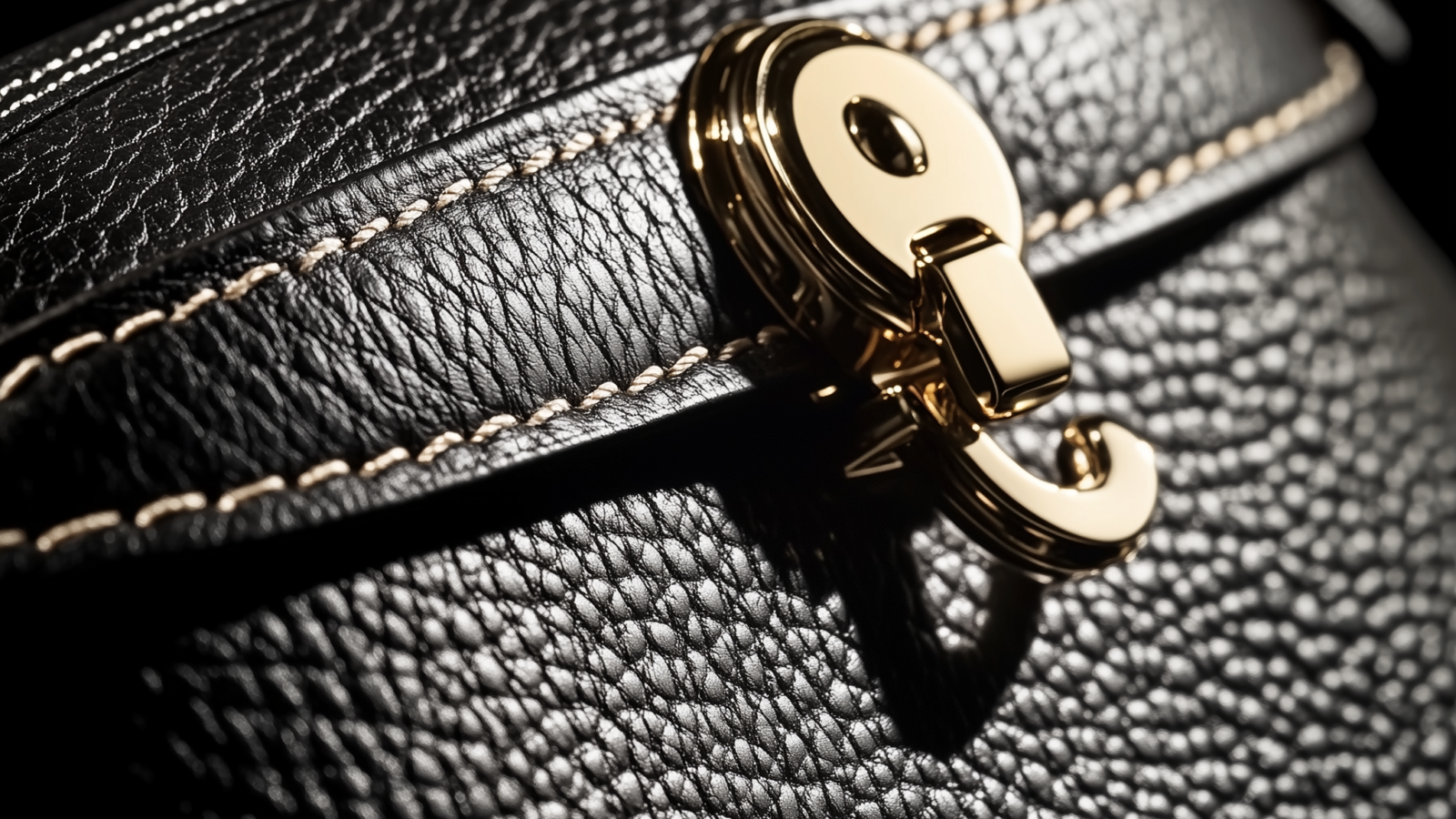
Handbag hardware is the detail nobody talks about and everyone notices. The zippers, clasps, rings, and chain straps on a bag are finishing elements that most people choose without thinking — and then spend years slightly bothered by in photographs or when standing in good light.
Getting your handbag hardware right is one of those quiet upgrades that makes every outfit look more considered without anyone being able to explain why. Here’s a complete guide to making that decision correctly.
What Is Handbag Hardware?
Handbag hardware refers to every metal component on a bag: zipper pulls, clasp closures, turn-lock mechanisms, D-rings, feet, chain straps, and any decorative metal elements. It comes in several finishes — gold-tone, silver-tone, gunmetal, brass, and rose gold being the most common — and the finish you choose significantly affects how the bag reads and how it integrates with everything else you own.
The convention of gold-tone hardware as a luxury signifier traces to the Art Deco period of the 1920s and 1930s, when goldsmiths began applying plated finishes to fashion accessories. Chanel’s use of gold-tone chain hardware from 1955 onward established it as a luxury-fashion standard that persists today. Silver-tone hardware became a signature of Hermès’ palladium finish in the late 20th century, cementing both finishes as equally legitimate luxury choices.
For most decisions, the choice comes down to gold-tone versus silver-tone. Let’s treat each one seriously.
Gold Handbag Hardware: When and Why It Works
Gold-tone handbag hardware is warm, rich, and historically associated with formal luxury. Visually, it has presence — it commands more attention than silver does. The Chanel Classic Flap in black with gold chain hardware is probably the most studied gold-hardware combination in bag history: the warmth of the metal against the dark leather creates a contrast that reads as intentional and elevated.
Other landmark gold-hardware pairings include the Gucci Marmont‘s double-G clasp, the Hermès Kelly with gold palladium hardware, and the Louis Vuitton Speedy’s brass locks — each a case study in how hardware finish becomes inseparable from the bag’s identity.
Gold hardware works particularly well with:
- Warm leather tones — Tan, cognac, camel, saddle brown; the warmth in the leather and the hardware are in conversation rather than conflict
- Black leather — The contrast between dark ground and gold is dramatic and classic
- Warm skin tones — Gold adds luminosity rather than coolness against warm undertones
- Wardrobes built around earth tones — Burgundy, olive, cream, and camel all harmonise naturally with gold hardware
The risk with gold handbag hardware is excess. On a bag with a clean, minimal silhouette, gold is perfect. On a heavily ornamented design, it can push the overall effect into too much. The simpler the bag, the more gold hardware can do.
Silver Handbag Hardware: When and Why It Works
Silver-tone handbag hardware is cooler, more modern, and carries a contemporary sensibility that gold doesn’t always share. It recedes slightly rather than announcing itself — it finishes a bag rather than punctuating it. This makes silver handbag hardware more neutral in some respects: it doesn’t compete with much.
The Saint Laurent Loulou with silver-tone hardware on black leather is a clean example of silver used at its best — the hardware disappears into the composition and lets the quilting and silhouette carry the visual work.
Silver hardware works particularly well with:
- Grey, navy, white, and black leather — Cool tones in both hardware and leather create a cohesive, modern finish
- Cool skin tones — Silver harmonises where gold would clash
- Wardrobes built around cool neutrals and monochrome — Grey, white, navy, and black sit naturally with silver
- Minimalist, architectural bag silhouettes — Where hardware is a structural decision rather than a decorative one, silver reads as more refined
The risk with silver handbag hardware is that it can feel cold or clinical on the wrong material — particularly warmer leather tones like tan or cognac, where the disconnect between cool metal and warm leather creates low-level visual dissonance that’s hard to articulate but easy to feel.
Gunmetal Handbag Hardware: The Third Option
Gunmetal — a dark, slightly bronzed grey — sits between gold and silver and deserves more attention than it typically receives. It has the warmth of gold without its formality, and the modernity of silver without its coolness. Brands like Balenciaga and Bottega Veneta have used gunmetal hardware as a signature finish on specific collections to significant effect.
For bags in dark leathers — deep chocolate brown, dark navy, black — gunmetal handbag hardware is often the most sophisticated choice. It reads as contemporary and considered without making the statement that gold does.
How to Match Handbag Hardware to Your Wardrobe
Handbag hardware doesn’t exist in isolation. Your bag sits alongside your jewellery, your watch, and your belt. The traditional rule — match all your metals — still holds its underlying logic even if modern dressing is more relaxed about strict adherence.
Ask yourself: do you predominantly wear gold or silver jewellery? Start there. Your handbag hardware should follow your jewellery rather than fight it. If you genuinely wear both equally, silver handbag hardware tends to be the more neutral default — it disappears into more outfits without creating visual noise.
One final point: finish matters as much as tone. Polished hardware is formal and high-contrast. Brushed or matte hardware is quieter, more contemporary, and far more forgiving in daily use. If quiet luxury is your aesthetic, brushed hardware in either gold or silver will almost always look more considered than its polished equivalent.
Hardware Quality and Bag Price
Hardware quality is a direct indicator of bag construction quality, and it’s reflected in price. A quality non-designer bag with solid brass hardware typically starts at $200 to $500. At the mid-tier designer level ($800 to $2,000), hardware is generally plated brass or zinc alloy with a quality finish that lasts several years with careful use. At the luxury tier ($2,000 and above), houses like Hermès use palladium-plated or gold-plated brass that is significantly heavier, more precisely finished, and more durable under daily use. The Hermès Kelly’s palladium hardware, for example, is machined and polished to a standard that visibly distinguishes it from hardware on bags at lower price points — and this is part of what justifies the price differential beyond the leather itself.
Frequently Asked Questions
Q: Should handbag hardware match jewellery?
The traditional rule is yes — your bag hardware should coordinate with your jewellery. If you predominantly wear gold jewellery, choose gold-tone hardware; if you wear silver, choose silver-tone. Modern styling is more relaxed about this, but consistent metals within one look always reads as more intentional than mixed ones.
Q: What is the most popular handbag hardware finish?
Gold-tone hardware is the most traditionally popular finish in luxury handbag design, associated with houses like Hermès, Chanel, Louis Vuitton, and Gucci. Silver-tone hardware has become increasingly common in contemporary luxury, particularly with brands emphasising minimalism and quiet luxury aesthetics. Both are equally relevant in 2026.
Q: Does handbag hardware tarnish?
Hardware on designer bags is typically plated brass (for gold-tone) or palladium-coated metal (for silver-tone) rather than solid metal. With regular use, plating can wear over time, particularly on high-friction points like zipper pulls and D-rings. On a well-maintained quality bag, plating should last many years. Avoid prolonged exposure to moisture and perfume, which accelerate tarnishing.
Q: What is gunmetal hardware on a handbag?
Gunmetal is a dark grey-bronze hardware finish that sits between gold-tone and silver-tone in visual temperature. It is associated with a contemporary, slightly edgier aesthetic and works particularly well with dark leather — chocolate brown, navy, and black. Brands like Balenciaga and Bottega Veneta have used gunmetal hardware as a signature on specific collections.
Q: Is gold or silver hardware more timeless?
Both finishes have strong historical roots in luxury design and both are equally timeless when chosen correctly. Gold-tone has the longer luxury-fashion association — a status signifier since at least the Art Deco era. Silver-tone (particularly palladium) became a Hermès signature in the late 20th century and is now considered equally enduring. The more relevant question is which finish works with your wardrobe and jewellery.
Leave a Reply